Mindfulness: Simple Practices That Actually Change How You Feel
Mindfulness is the practice of paying attention to the present moment with openness and curiosity.
It’s not about emptying the mind or achieving a particular state; it’s an attention skill you can train. That skill improves focus, reduces stress, and helps people respond more skillfully to life’s demands.
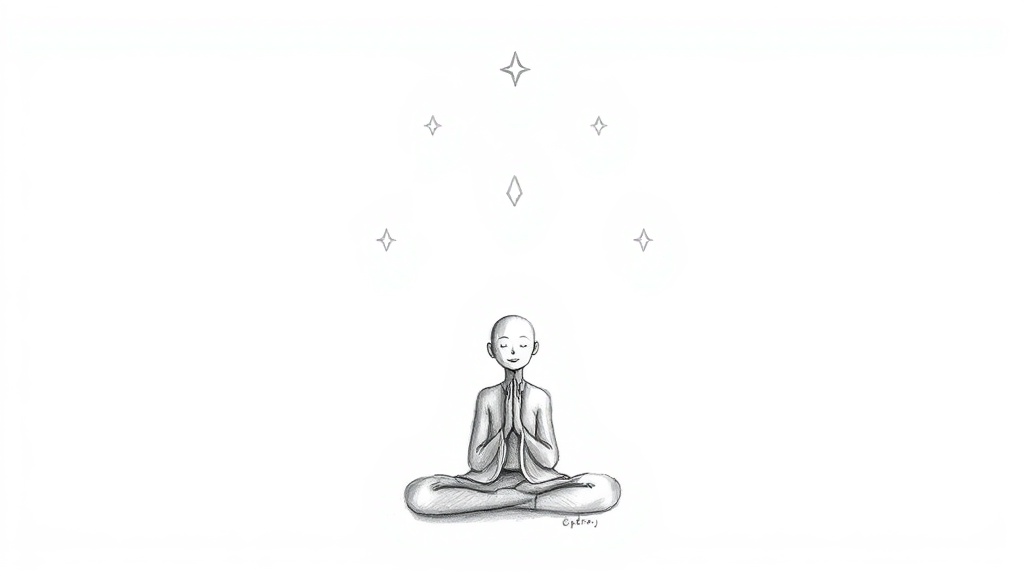
Why mindfulness matters
– Stress reduction: Mindfulness lowers perceived stress and calms the nervous system by shifting attention away from rumination and threat-oriented thinking.
– Better focus and productivity: Regular practice improves sustained attention and decreases habitual distraction, making it easier to finish tasks and avoid multitasking traps.
– Emotional resilience: Mindfulness helps people notice feelings before they escalate, allowing for more deliberate responses instead of automatic reactions.
– Improved sleep and wellbeing: Practicing mindfulness around bedtime or during transitional moments supports relaxation and better sleep hygiene.
Small practices with big impact
You don’t need long sittings to benefit. Short, consistent habits build momentum.
– 2-minute breath check: Stop, breathe naturally, and count three breaths while noticing sensations in the body. This anchors attention and resets stress.
– Body scan (5–15 minutes): Move attention slowly from toes to head, noticing tension and releasing it. This increases bodily awareness and calms the mind.
– Mindful walking: Walk slowly for a few minutes, noticing footfalls, sensations, and the environment. Use it as a moving meditation between tasks.
– Single-tasking rituals: Turn off notifications and commit to 20–30 minutes of focused work with a built-in bell or timer. Afterward, take a mindful break.
– Mindful eating: Eat one meal or snack without screens. Notice texture, taste, and the process of chewing and swallowing.
How to make it stick
– Start tiny: Small daily practices beat occasional long sessions. Two minutes daily is better than one hour once a week.
– Anchor to routines: Pair practice with an existing habit—after brushing teeth, take three mindful breaths.
– Be consistent, not perfect: Missed days won’t undo progress. Return without judgment.
– Use guidance: Guided meditations, local classes, and short courses help build habit and technique.
– Track changes: Keep a simple log of when you practice and how you feel. Noting even small improvements reinforces consistency.
Common pitfalls
– Expecting instant transformation leads to frustration. Mindfulness is a skill that develops gradually.
– Turning practice into another performance goal undermines its non-judgmental spirit.
Notice success and difficulty with equal curiosity.
– Using mindfulness to dissociate from difficult feelings reduces its benefit. The aim is to meet experience with presence, not avoidance.
Practical next step
Try a five-minute practice each morning for one week: sit comfortably, focus on the breath, notice thoughts without following them, and return to the breath each time the mind wanders. Keep it brief, and resist judging the session. Over time, those five minutes will ripple into calmer reactions, clearer focus, and a steadier sense of balance.
Mindfulness isn’t a cure-all, but as a daily skill it supports better attention, healthier stress responses, and richer engagement with life. Start small, stay curious, and let presence become a practical part of your day.