Yoga for busy people: quick, practical routines that actually stick
Why yoga helps when time is tight
Many people assume yoga requires long classes or fancy gear, but a consistent short practice can reduce stress, improve posture, and boost focus. Even brief sessions interrupt the body’s stress response, calm the nervous system, and reverse the effects of prolonged sitting. For desk-bound professionals or parents juggling schedules, simple, repeatable sequences deliver measurable benefits without a big time commitment.
A 10-minute desk-to-street yoga routine
This compact routine is designed to be done at your desk, in a break room, or at home between tasks.
Move slowly, breathe fully, and avoid any postures that cause pain.
– Neck and shoulder release (1–2 minutes): Sit tall. Drop the right ear toward the right shoulder, breathe deeply for three cycles, then switch sides. Follow with gentle shoulder rolls forward then backward, 5–8 slow reps each way.
– Seated cat–cow (1–2 minutes): Place hands on knees. On an inhale, arch the spine and open the chest; on an exhale, round the back and tuck the chin.
Repeat 6–8 times to mobilize the spine.
– Seated twist (1 minute each side): Sit upright, place the right hand on the back of the chair and left hand on the right knee. Twist gently to the right on an exhale. Hold 4–6 breaths and repeat on the other side.
– Wrist and forearm stretch (1 minute): Extend one arm, palm facing up, use the other hand to gently pull back the fingers. Then flip the palm down and repeat.
Swap arms.
– Standing half kuttas and hamstring release (2 minutes): Stand, hinge at the hips with a straight spine and rest hands on thighs. Bend knees slightly and allow the head to hang. Hold for five deep breaths, then slowly roll up.
– Energizing posture (Chair or mini-squat, 1 minute): From standing, bend knees into a chair-like position or do a short purposeful squat to wake the legs and core. Rise on an inhale.
Breathing and mindfulness you can use anywhere
Breath is the quickest route to calm.
Try box breathing: inhale for four counts, hold four, exhale four, hold four.
Another approachable option is 4-6-8 breathing: inhale for four, hold for six (optional), exhale slowly for eight. These patterns reduce anxiety, lower heart rate, and sharpen concentration in minutes.
Making yoga sustainable
– Pick windows in your day and protect them: morning before inbox, midafternoon break, or evening wind-down.
– Keep a simple sequence you can repeat. Consistency beats variety for long-term gains.
– Use cues: stand when a meeting ends, do five breaths at each red light, or stretch at every phone call.
– Mix micro-practices with longer classes when possible.
A short daily habit plus a weekly longer session delivers the best blend of mobility, strength, and mental clarity.
Safety and progression
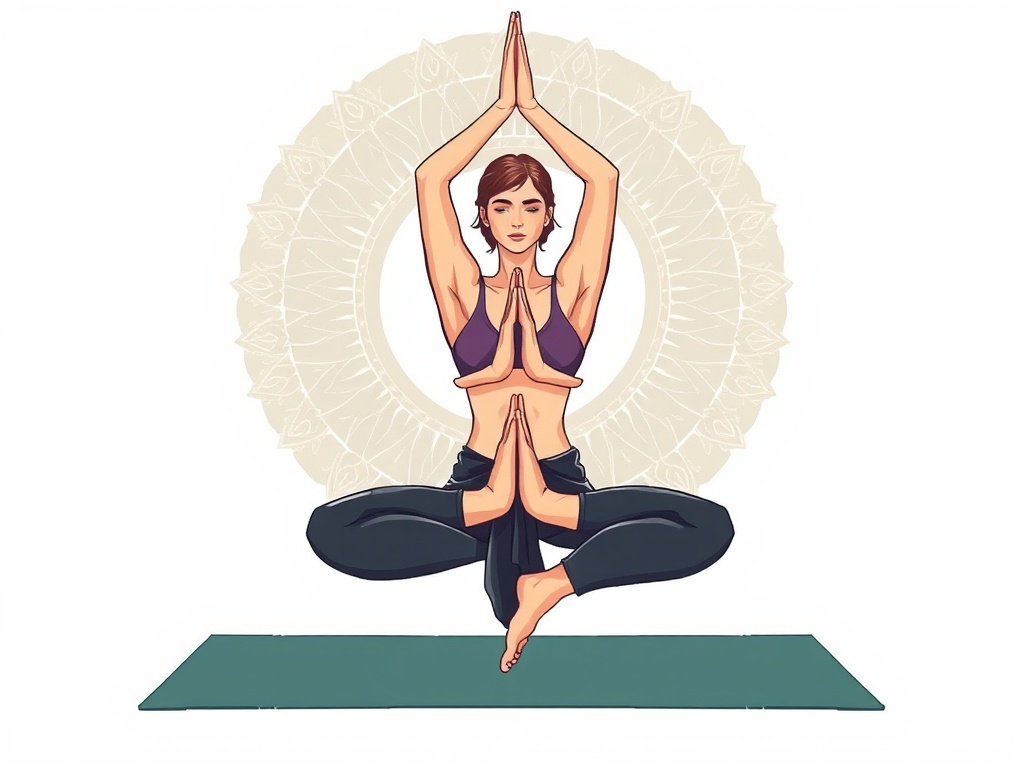
Listen to your body and modify postures to suit injuries or joint limitations. Gentle movement is valuable—there’s no need to chase advanced poses. If you have health concerns, consult a healthcare professional before beginning a new exercise program.
Why it works long-term
Short, frequent yoga sessions create sustainable patterns of movement and stress management. Over time, you’ll notice better posture, less neck and back tension, improved breathing, and clearer focus. The key is regularity, simple progressions, and treating yoga as a daily reset rather than an occasional chore.