Ancient wisdom offers practical tools for navigating modern life. Across cultures—Stoic philosophy, Ayurvedic routines, Daoist simplicity, and Indigenous practices—timeless principles address stress, focus, and meaning.
These teachings are not relics; they become especially useful when adapted into simple daily habits that fit a busy schedule.
Why ancient wisdom still matters
Modern life floods attention with notifications, multitasking, and constant planning. Ancient systems were built around human rhythms: breath, body cues, community rituals, and slow attention. Applying those patterns helps regulate the nervous system, improve decision-making, and bring clarity to priorities.
Practical practices you can try today
– Micro-meditations (Stoic + Buddhist): Use two-minute pauses before key moments—before a meeting, a meal, or responding to a message. Close your eyes, breathe slowly for six counts, and ask one question: “What matters most here?” That brief reset reduces reactivity and primes wiser choices.
– Morning rhythm (Ayurveda-inspired): Anchor your morning around a short ritual. Hydrate mindfully, stretch for five minutes, and spend three to five minutes journaling one line of gratitude and one prioritized task. Consistent small acts set a steady tone for the day.
– Negative visualization (Stoic): Spend a minute imagining the loss of a simple comfort—an everyday convenience or scheduled meeting.
This practice increases appreciation, reduces attachment to outcomes, and makes setbacks easier to bear.
– Single-tasking and “deep pockets” (Daoist simplicity): Create uninterrupted blocks—short deep pockets—of 25–50 minutes for one task. Remove alerts, keep a water bottle and notepad nearby, and honor the block as a small ritual of focus.
Frequent, short deep work sessions build sustained productivity without burnout.
– Mindful eating (Traditional and Indigenous food wisdom): Slow down one meal a day. Pay attention to texture, temperature, and flavor. Put devices away, chew thoroughly, and notice sensations of fullness. This supports digestion, reduces overeating, and makes meals a restorative practice.
– Nature reset: When stress spikes, step outside for five to fifteen minutes. Walk barefoot if possible, observe the sky, or listen to bird calls. Many traditions ground mental states by reconnecting the senses to natural elements.
How to integrate these practices without overwhelm
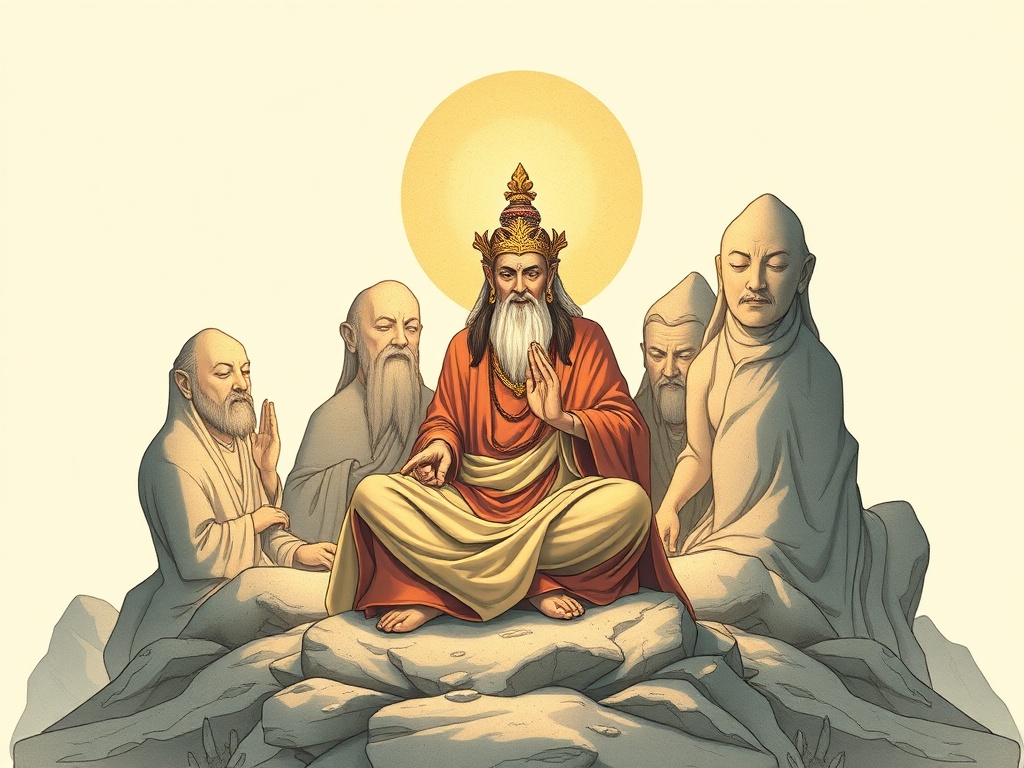
Start with one micro-practice and commit to it for a week. Keep expectations low: consistency matters more than duration. Track how you feel—energy, clarity, sleep quality—and adjust. Pair practices: combine the two-minute pause with mindful eating or use negative visualization as part of a morning journal.
Benefits you can expect
Regular application builds resilience, reduces reactivity, improves attention, and enhances appreciation for everyday life. Long-term, these small adjustments support better sleep patterns, clearer priorities, and more humane relationships with technology and work.
Ancient wisdom isn’t about returning to the past; it’s about translating time-tested human insights into modern contexts. Pick one practice that resonates, try it for a week, and notice what shifts.
Over time, these micro-rituals become the scaffolding for a calmer, more focused life.