Inner peace isn’t a luxury reserved for special occasions — it’s a practical skill set you can build into daily life. When calmness becomes a habit, stress decreases, decisions sharpen, and relationships improve. Here are effective, accessible practices to cultivate inner peace even with a busy schedule.
Why inner peace matters
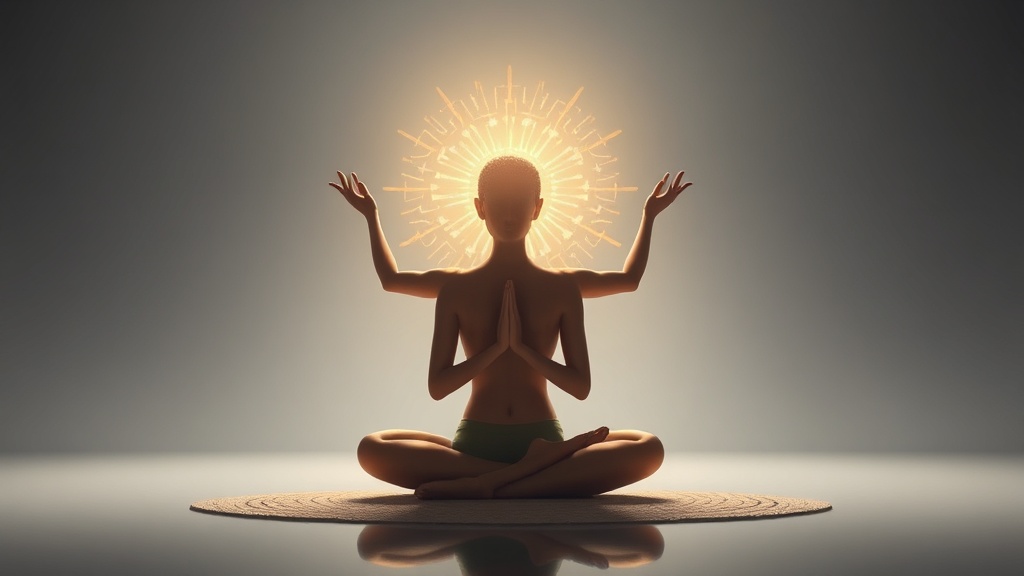
Inner peace supports emotional resilience, lowers reactivity, and improves focus. It also strengthens the ability to set healthy boundaries and respond rather than react. Practices that calm the nervous system and increase present-moment awareness are especially powerful.
Quick practices that work
– 1-minute anchor breath: Inhale for four counts, hold one, exhale for six. Repeat three times. Use this before meetings, difficult conversations, or whenever tension rises.
– 5-minute body scan: Sit or lie down, close your eyes, and slowly move attention from toes to head, noticing sensations without judgment.
This reduces physical tension and anchors awareness in the present.
– 10-minute mindful walk: Walk slowly, focusing on the rhythm of steps and sensory details — sounds, textures, smells. This turns routine movement into a reset.
Daily routines that build steady calm
– Morning micro-ritual: Start with 2–5 minutes of breathwork or a gratitude note to set a grounded tone for the day.
– Midday reset: Schedule a short break to stretch, step outside, or do box breathing (inhale-hold-exhale-hold).
Micro-breaks reduce cortisol and restore clarity.
– Evening wind-down: Dim screens an hour before bed, write a brief “brain dump” of lingering thoughts, and practice a progressive muscle relaxation to signal the body it’s time to rest.
Mindful tools for deeper practice
– Meditation: Even short, consistent sessions increase attention control and emotional regulation.
Apps can help with guided practice but keep sessions short and regular rather than sporadic and long.
– Journaling prompts: Use questions like “What am I feeling right now?” or “What did I handle well today?” to build awareness and perspective.
– Breathwork and somatic exercises: Techniques that intentionally engage the breath and body (e.g., slow exhalations, gentle stretches) influence the nervous system directly and are especially helpful when emotions feel overwhelming.
Lifestyle supports for lasting peace
– Movement: Regular gentle movement — yoga, tai chi, walking — reduces stress hormones and connects mind and body.
– Sleep hygiene: Prioritize consistent sleep patterns, a cool dark environment, and a pre-sleep routine to keep stress levels low.
– Boundaries and digital minimalism: Limit notifications, create scheduled email times, and say no when necessary. Protecting attention is a core ingredient of inner calm.
– Social connection: Meaningful conversations and co-regulation with supportive people help stabilize emotions and deepen calm.
Troubleshooting and next steps
– If a practice feels frustrating, reduce duration and aim for consistency. Short daily habits beat occasional long sessions.
– When anxiety or emotional pain is intense or persistent, integrate these practices with professional support from a therapist or clinician.
– Track progress in small ways: note mood shifts, reduced reactivity, or improved sleep. These wins reinforce the habit loop.
Start with one small change — a single breath practice or a two-minute evening pause — and expand gradually. Over time, consistent micro-practices accumulate into a resilient inner calm that supports all areas of life. Try one practice today and notice how it changes your next moment.