Yoga for Busy Lives: Simple Practices to Reduce Stress and Improve Mobility
Yoga benefits stretch beyond flexibility and strength. For people juggling work, family, and screen time, yoga is a practical toolkit for stress relief, better posture, and sustainable mobility.
Short, targeted sessions can deliver measurable improvement in energy, focus, and resilience without needing a studio-level commitment.
Why short, regular practice works
Consistency beats intensity.
Ten minutes a day of mindful movement and breath can lower stress hormones, ease neck and back tension, and improve sleep quality. Micro-practices fit into commutes, coffee breaks, or before bed, making yoga an achievable habit even when schedules are full.
Quick routines you can do anywhere
– Morning energizer (5–10 minutes): Begin with gentle joint warm-ups (neck rolls, shoulder circles), move through a few Cat-Cow cycles to mobilize the spine, and finish with a few rounds of Downward Dog to wake up the whole body.
– Desk-friendly break (3–7 minutes): Do seated twists, wrist stretches, chest openers (clasped hands behind the back), and subtle spinal lengthening. Add a few slow shoulder rolls and eye rests from the palms to reduce screen fatigue.
– Evening unwind (10–15 minutes): Focus on hip openers and hamstring relief (low lunges, legs-forward folds), then settle into a supported Child’s Pose or Legs-Up-The-Wall for restorative relaxation. Finish with a calming breath practice before sleep.
Breath techniques that amplify results
Breath is central to making movement restorative and efficient. Two accessible approaches:
– Diaphragmatic breathing: Breathe deeply into the belly, allowing ribs and abdomen to expand, then exhale slowly. Use this during gentle flows to lower heart rate and soothe the nervous system.
– Alternate nostril breathing (Nadi Shodhana): A few minutes of this practice balances nervous-system activation and can reduce anxiety symptoms before a meeting or after a hectic day.
Modifications and safety tips
– Listen to your body. Avoid forcing flexibility; pain is a signal to back off.
– Use props: blocks, a cushion, a strap, or even a towel make many poses accessible and comfortable.
– If you have chronic pain, recent surgery, or specific medical conditions, check with a healthcare provider or qualified yoga therapist for tailored guidance.
Building a sustainable home practice
– Anchor your practice to an existing habit (after brushing teeth, before morning coffee, or after work).
– Set realistic goals: short daily sessions are more effective for habit formation than occasional long classes.
– Track progress through small, measurable markers: fewer headaches, more comfortable sitting, or better sleep.
– Join a community: one live class a week or an online group can provide accountability and variety.
Why this approach lasts
Yoga practiced with consistency, compassion, and proper technique integrates into life rather than competing with it. It’s not about perfect poses; it’s about creating a simple, repeatable routine that supports mental clarity, physical resilience, and everyday ease.
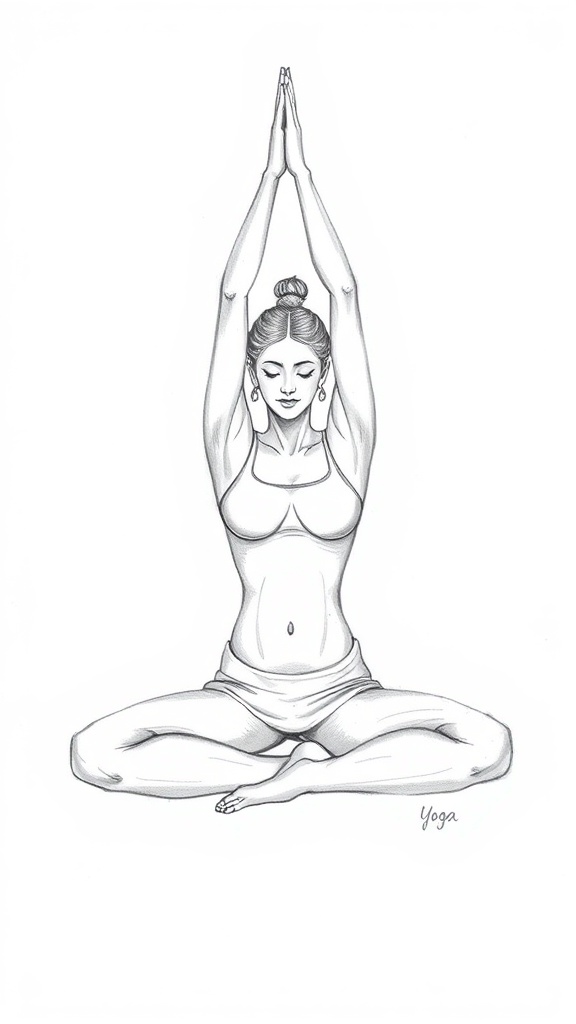
Try this: commit to a five-minute morning routine and a three-minute midday reset for two weeks. Notice posture, breath, and stress shifts.
Small, steady steps lead to lasting change.